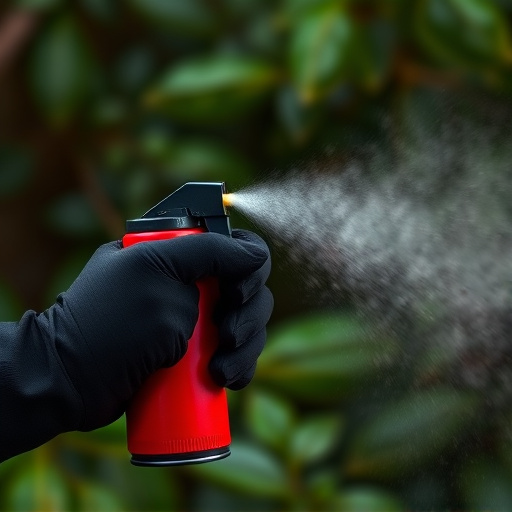
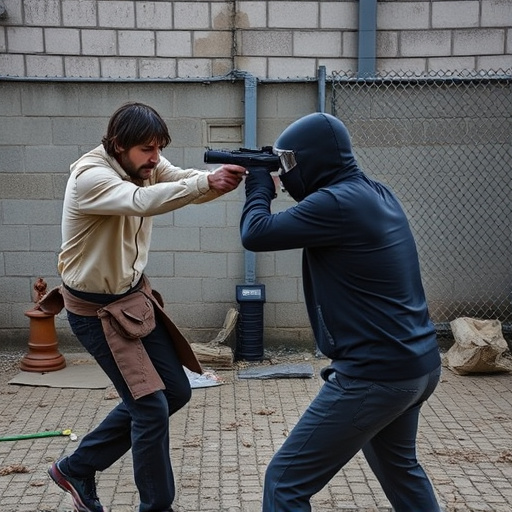
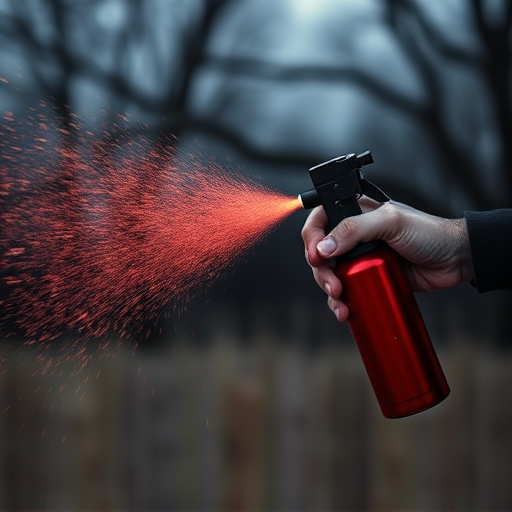
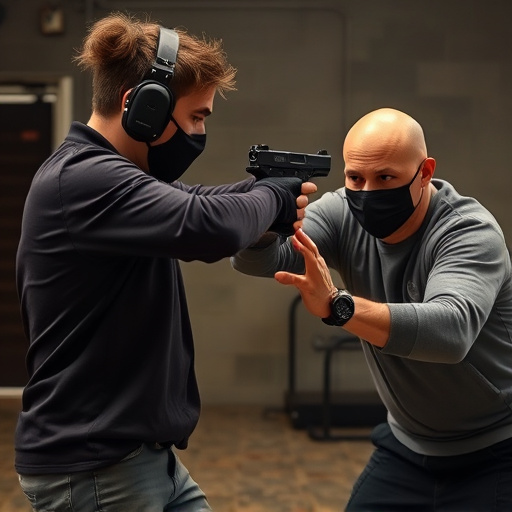
Different Concentrations for Self-Defense: A Comprehensive Analysis
Introduction
In an increasingly complex and interconnected world, the concept of self-defense has evolved far beyond traditional physical training. "Different Concentrations for Self-Defense" refers to a multifaceted approach that leverages various strategies, technologies, and tactics to protect individuals and communities from potential threats. This comprehensive analysis aims to explore the intricacies of this dynamic field, shedding light on its global impact, economic implications, technological innovations, and regulatory frameworks. By delving into these aspects, we can gain valuable insights into how self-defense systems are adapted and optimized in different contexts.
Understanding Different Concentrations for Self-Defense
Definition: Different Concentrations for Self-Defense encompasses a range of measures designed to empower individuals and communities to protect themselves from harm. It involves the strategic integration of physical combat skills, legal awareness, risk assessment, emergency preparedness, and advanced technologies. This holistic approach acknowledges that self-defense is not solely about physical strength but also intelligence, prevention, and effective response.
Core Components:
-
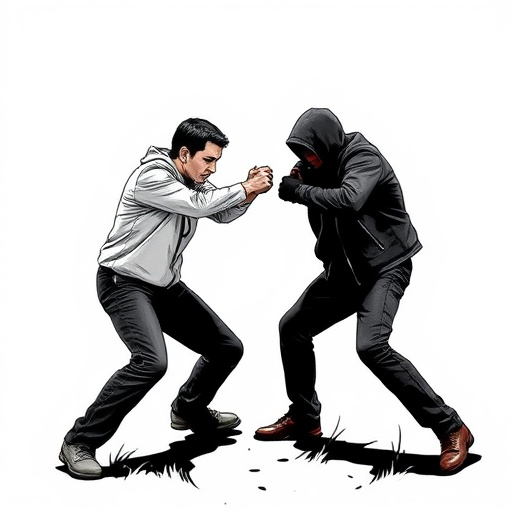
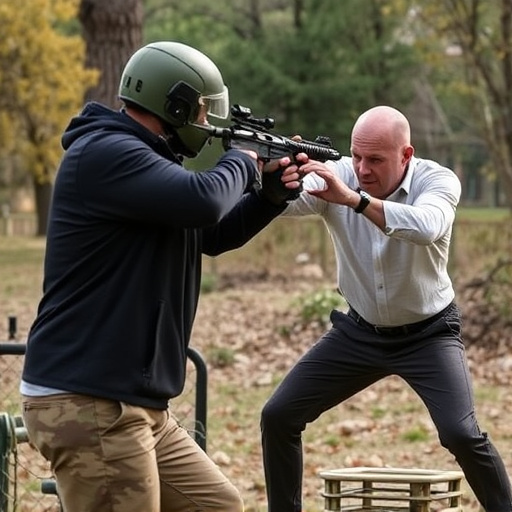
Physical Training: Fundamental to self-defense are martial arts, self-defense classes, and fitness programs tailored to enhance strength, agility, and reflexes. These skills enable individuals to defend themselves in physical confrontations.
-
Legal Awareness: Understanding one's rights and legal protections is crucial. This includes knowledge of local laws related to self-defense, stand-your-ground laws, and rules governing the use of force.
-
Risk Assessment and Prevention: Identifying potential threats and implementing preventive measures is a key strategy. This involves personal safety training, awareness of surroundings, and risk mitigation techniques.
-
Emergency Preparedness: Being ready for emergencies includes having a plan, assembling emergency kits, and learning basic first aid. These skills ensure that individuals can respond effectively during crises.
-
Technological Integration: The modern era has seen the integration of advanced technologies such as body-worn cameras, personal safety apps, GPS tracking devices, and intelligent home security systems into self-defense strategies.
Historical Context: The concept of self-defense has deep historical roots, dating back to ancient civilizations. However, "Different Concentrations for Self-Defense" as a structured field emerged in the late 20th century with the rise of global terrorism, organized crime, and domestic violence. The need for comprehensive protection led to the development of specialized training programs, legal reforms, and technological innovations.
Significance: In today's world, self-defense is no longer solely a personal matter but a collective responsibility. This approach ensures that individuals are equipped to handle various threats, fosters safer communities, and reduces reliance on external security forces. It empowers people to take proactive measures, enhancing their sense of security and independence.
Global Impact and Trends
The influence of "Different Concentrations for Self-Defense" is profoundly global, with countries adopting and adapting strategies to suit their unique challenges. Key trends shaping this field include:
| Region |
Trends |
Examples |
| North America |
High emphasis on individual physical training and legal protection. |
The U.S. has a robust self-defense culture, with martial arts schools and self-defense workshops prevalent. Laws in many states support stand-your-ground rights. |
| Europe |
Focus on community safety and integration of advanced technologies. |
Many European countries have adopted body-worn cameras for police and security personnel, enhancing accountability and public safety. Smart home security systems are becoming commonplace. |
| Asia Pacific |
Cultural emphasis on martial arts and collective defense. |
Countries like Japan and China have rich martial arts traditions deeply ingrained in their self-defense culture. Community-based defense programs are common, fostering a sense of unity. |
| Middle East & Africa |
Addressing security challenges through specialized training and technology. |
In regions affected by conflict, self-defense training focuses on survival skills and the use of everyday objects as weapons. Drones and surveillance technology are being integrated for border security. |
| Latin America |
Community-driven initiatives and legal reforms for gender-based violence. |
Mexico has implemented "Alerta Rosa" (Pink Alert), a system to quickly alert women in dangerous situations. Self-defense workshops for women have gained popularity, empowering them against domestic abuse. |
Economic Considerations
The economic implications of "Different Concentrations for Self-Defense" are multifaceted:
- Market Dynamics: The global self-defense equipment market is growing, driven by increasing security concerns and technological advancements. According to a 2022 report, the market size was valued at USD 178.3 billion in 2021 and is projected to expand at a CAGR of 6.5% from 2022 to 2030.
- Investment Patterns: Governments worldwide are investing heavily in personal safety initiatives, including self-defense programs, emergency response training, and the deployment of advanced security technologies. Private investments in self-defense-related startups and research are also on the rise.
- Cost-Benefit Analysis: Effective self-defense strategies can lead to significant cost savings for societies by reducing crime rates, minimizing injuries, and lowering healthcare expenses associated with violence-related incidents.
Technological Innovations
Technology plays a pivotal role in modern self-defense systems:
- Body-Worn Cameras: Widespread adoption in law enforcement and security sectors to enhance transparency and accountability. These devices provide real-time video evidence, ensuring fair use of force.
- Smart Security Systems: Home security cameras, motion sensors, and GPS trackers enable individuals to monitor their surroundings and receive alerts for potential threats.
- Mobile Applications: Self-defense apps offer a range of features, including emergency alarms, location sharing, and access to safety resources. Some apps even provide virtual training and legal advice.
- Biometric Identification: Fingerprint, facial recognition, and iris scanning technologies are used in access control systems, ensuring secure entry and personal identification.
- Drone Technology: Drones are employed for surveillance, border security, and disaster response, providing a bird's-eye view of potential threats.
Regulatory Frameworks
Regulatory bodies worldwide are increasingly recognizing the importance of self-defense and implementing laws to support it:
- Stand-Your-Ground Laws: These laws allow individuals to use reasonable force for self-defense without the requirement to retreat if facing an imminent threat. The U.S. has a range of such laws, while several European countries have also adopted similar provisions.
- Privacy and Surveillance Regulations: With the rise of body-worn cameras and advanced surveillance technology, privacy laws are being updated to balance public safety with individual rights.
- Data Protection: As self-defense apps collect personal data, regulations like GDPR in Europe and CCPA in California ensure that user information is protected and used responsibly.
- Legal Training and Education: Many countries require law enforcement agencies to provide regular training on self-defense laws, ensuring officers are well-versed in their rights and responsibilities.
Challenges and Future Directions
Despite significant progress, "Different Concentrations for Self-Defense" face several challenges:
- Accessibility: Ensuring equal access to self-defense resources, especially in underserved communities, remains a priority.
- Cultural Sensitivity: Adapting self-defense strategies to diverse cultural contexts is essential to ensure their effectiveness and acceptance.
- Technological Ethics: As technology advances, ethical considerations regarding data privacy, surveillance, and the potential misuse of advanced tools must be addressed.
- International Collaboration: Global cooperation in sharing best practices, technologies, and resources can enhance overall self-defense capabilities.
In the future, personalized self-defense training, artificial intelligence for threat assessment, and the integration of virtual reality for immersive learning are areas with significant growth potential. Additionally, the concept of "resilient communities" is gaining traction, focusing on building social connections and collective defense strategies to foster safer environments.
Conclusion
"Different Concentrations for Self-Defense" represent a dynamic and evolving field that has become essential in today's complex world. By integrating physical skills, legal knowledge, technology, and community engagement, individuals and societies can better protect themselves from an array of threats. As this field continues to adapt and grow, it will play a crucial role in shaping safer and more resilient communities globally.
November 18, 2025
Different Concentrations for Self Defense
Different Concentrations for Self Defense naturally play a pivotal role in pepper spray's effec.......
Read more →
November 16, 2025
Different Concentrations for Self Defense
Different Concentrations for Self Defense (from 1% to 20%) offer varying levels of effectiveness and.......
Read more →
November 14, 2025
Different Concentrations for Self Defense
Tactical pepper spray effectiveness varies with capsaicin concentration (1% - 30+%). For civilians,.......
Read more →
November 13, 2025
Different Concentrations for Self Defense
Different concentrations of pepper spray (0.2%-1.3%) offer varied self-defense options. Lower concen.......
Read more →
November 11, 2025
Different Concentrations for Self Defense
Different concentrations for self-defense (1% to 5%) determine potency and application. Lower concen.......
Read more →
November 9, 2025
Different Concentrations for Self Defense
Capsicum, a natural compound from chili peppers, offers an eco-friendly alternative to pepper spray.......
Read more →
November 7, 2025
Different Concentrations for Self Defense
Different concentrations for self-defense (1% to 2%) offer tailored levels of protection. Tactical p.......
Read more →
November 5, 2025
Different Concentrations for Self Defense
Riot control sprays use oleoresin capsicum (OC) to incapacitate through eye, nose, and respiratory i.......
Read more →
November 3, 2025
Different Concentrations for Self Defense
Different concentrations for self-defense (1.2% - 3%) in tactical pepper spray determine its effecti.......
Read more →
November 1, 2025
Different Concentrations for Self Defense
Inflammatory sprays using oleoresin capsicum (OC) in varying millicylone (mcg) concentrations offer.......
Read more →
October 30, 2025
Different Concentrations for Self Defense
Chemical irritants offer a crucial self-defense tool with varying concentrations for different threa.......
Read more →
October 28, 2025
Different Concentrations for Self Defense
Pepper spray effectiveness varies by concentration, with 1%-2% for personal self-defense and 5%-10%.......
Read more →
October 26, 2025
Different Concentrations for Self Defense
Personal protection sprays are gaining traction as a viable self-defense tool, especially with the a.......
Read more →
October 24, 2025
Different Concentrations for Self Defense
Capsaicin sprays, derived from chili peppers, offer versatile self-defense with varying concentratio.......
Read more →
October 22, 2025
Different Concentrations for Self Defense
Different concentrations of riot control spray (1-2% for basic self-defense against individuals, 5-1.......
Read more →
October 20, 2025
Different Concentrations for Self Defense
Choosing pepper spray depends on concentration (ppm or SCU), ranging from low for portability to hig.......
Read more →
October 18, 2025
Different Concentrations for Self Defense
In today's world, compact keychain pepper spray devices offer different concentrations (0.5%-10.......
Read more →
October 14, 2025
Different Concentrations for Self Defense
Different concentrations of bear spray offer tailored self-defense against various predators. High-p.......
Read more →
October 11, 2025
Different Concentrations for Self Defense
Riot control sprays vary in concentration for different self-defense needs. Lower concentrations (0........
Read more →
October 9, 2025
Different Concentrations for Self Defense
Riot control agents with varying concentrations serve distinct purposes: self-defense and operationa.......
Read more →
October 7, 2025
Different Concentrations for Self Defense
Choosing the right pepper spray concentration is key for effective self-defense. Lower concentration.......
Read more →
October 5, 2025
Different Concentrations for Self Defense
Non-lethal deterrent technologies offer a spectrum of force levels for personal security, from low-i.......
Read more →
October 3, 2025
Different Concentrations for Self Defense
Choosing the right pepper spray concentration is key for self-defense. Lower concentrations (1%-2%).......
Read more →
October 1, 2025
Different Concentrations for Self Defense
Pocket pepper spray keychains offer compact self-defense solutions with varying capsaicin concentrat.......
Read more →
September 29, 2025
Different Concentrations for Self Defense
Pepper spray, using capsaicin to disrupt breathing and vision, offers self-defense with varying conc.......
Read more →
September 27, 2025
Different Concentrations for Self Defense
Tactical inflammatory sprays with varying capsaicin concentrations (1%-5%) offer different levels of.......
Read more →
September 25, 2025
Different Concentrations for Self Defense
Choosing the right capsicum spray concentration for self-defense balances effectiveness and safety........
Read more →
September 24, 2025
Different Concentrations for Self Defense
Choosing pepper spray concentration depends on self-defense needs and local laws. Lower concentratio.......
Read more →
September 21, 2025
Different Concentrations for Self Defense
Different concentrations of pepper extract provide varied self-defense options. Lower levels offer m.......
Read more →
September 19, 2025
Different Concentrations for Self Defense
Knowing capsaicin concentrations is key to effective self-defense. Lower (1-2%) for personal safety,.......
Read more →
September 18, 2025
Different Concentrations for Self Defense
Choosing the right concentration of capsaicin in self-defense spray is crucial for both effectivenes.......
Read more →
September 15, 2025
Different Concentrations for Self Defense
Non-lethal inflammatory agents, with varying different concentrations for self defense, leverage the.......
Read more →
September 13, 2025
Different Concentrations for Self Defense
Personal security inflammatory sprays (pepper spray) vary in concentration for different self-defens.......
Read more →
September 11, 2025
Different Concentrations for Self Defense
Understanding different concentrations (0.5%-2% to 3%-5%) of civilian-grade pepper spray is key for.......
Read more →
September 9, 2025
Different Concentrations for Self Defense
Non-lethal inflammatory agents, using capsaicin and menthol, disrupt attackers with different concen.......
Read more →
September 7, 2025
Different Concentrations for Self Defense
Choosing pepper spray for self-defense requires understanding capsaicin concentrations (2%-5% recomm.......
Read more →
September 5, 2025
Different Concentrations for Self Defense
Non-lethal self-defense devices offer a range of options with different concentrations tailored to v.......
Read more →
September 3, 2025
Different Concentrations for Self Defense
Capsaicin, from chili peppers, acts as a powerful inflammatory agent in self-defense sprays, impairi.......
Read more →
September 1, 2025
Different Concentrations for Self Defense
Selecting pepper spray depends on understanding different concentrations (0.5% - 2% for personal use.......
Read more →